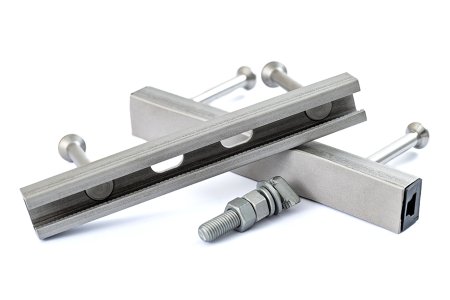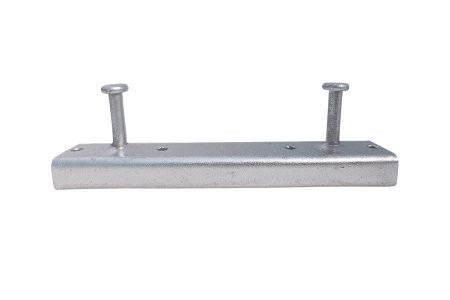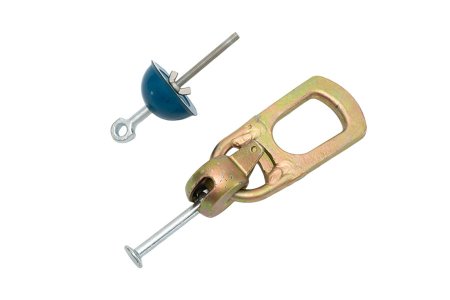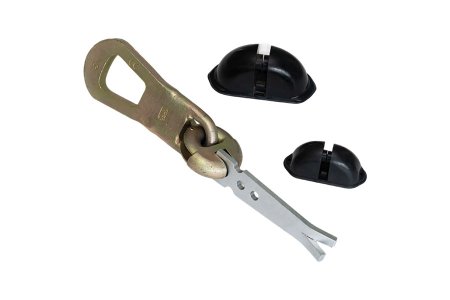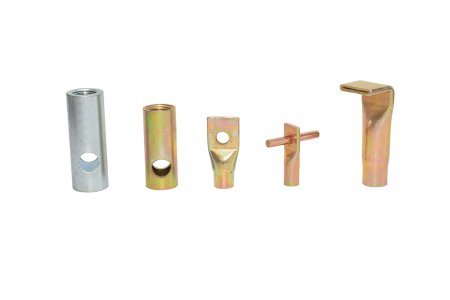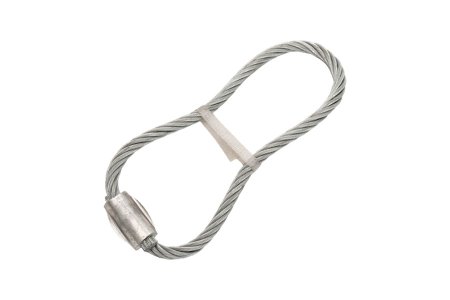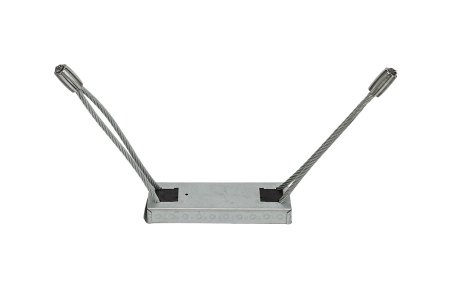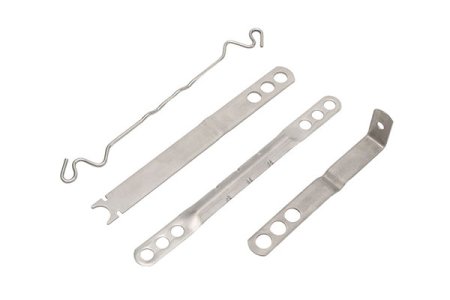
A Cast-in Channel (also called Anchor Channel) is a steel channel embedded into concrete during casting.
It provides a flexible and adjustable fixing point using T-bolts or hammer-head bolts.
The system is widely used in:
Curtain wall systems
Rail transit infrastructure
Industrial plants
Tunnel engineering
Cast-in Channel | Post-installed Anchor |
Installed before concrete pouring | Installed after concrete curing |
Adjustable fixing position | Fixed drilling position |
Faster installation | Requires drilling |
Higher fatigue resistance | Limited fatigue performance |
Typical system components include:
Steel channel profile
Anchors welded to channel back
Protective filler
T-bolts / Hammer head bolts
Washers and nuts
Common materials include:
Carbon steel (Q235 / S235 / S355)
Hot-dip galvanized steel
Stainless steel 304
Stainless steel 316
Material selection depends on environment and corrosion requirements.
Cast-in Channels are widely used in:
Curtain wall construction
Railway infrastructure
Nuclear power
Airports
Power plants
Industrial facilities
Data centers
Common international standards include:
EN 1992-4 – Design of fastenings in concrete
ACI 318 – Anchoring to concrete
EAD 330008 / ETA approval
ICC-ES AC232
Cast-in Channels are designed for:
Tension load
Shear load
Combined tension and shear
Fatigue load
Seismic load
Load capacity depends on:
Channel size
Anchor design
Concrete strength
Edge distance
Spacing between channels
Installation conditions
Yes.
Systems tested according to European Technical Assessment (ETA) can be used in cracked concrete conditions.
Safety factors depend on the standard used, typically considering:
Material strength
Load combinations
Installation tolerance
Concrete failure modes
Yes.
Specially tested systems are suitable for seismic zones and dynamic loading environments.
1.Typical installation process:
2.Fix channel to formwork
3.Align and secure
4.Pour concrete
5.Allow curing
6.Remove filler
7.Insert T-bolt
8.Install bracket and tighten
Filler material prevents concrete from entering the channel slot during casting.
Concrete inside the channel may prevent bolt installation and require cleaning or repair.
The tightening torque depends on:
Bolt diameter
Bolt material
Load requirement
Typical values range between 40–200 Nm depending on bolt size.
Yes.
Channels can be installed in:
Horizontal surfaces
Vertical walls
Ceiling slabs
Proper fixation during casting is required.
Common issues include:
Misalignment
Missing filler
Incorrect embedment depth
Improper bolt tightening
Common certifications include:
ISO 9001 Quality Management
ETA approval
Typical tests include:
Static load test
Fatigue test
Fire resistance test
Seismic test
Corrosion test
Typical submittal documents include:
Technical data sheet
Product catalogue
Installation manual
Test reports
Material certificates
LEED declaration
Manufacturers usually perform:
Raw material inspection
Welding inspection
Galvanizing thickness test
Dimensional inspection
Load testing
Yes.
Many manufacturers provide custom channel lengths and anchor configurations according to project requirements.
Cast-in Channels provide:
Adjustable façade alignment
Fast installation
Reduced drilling
High load capacity
Yes.
They are widely used in:
Metro tunnels
Cable support systems
Platform installations
Equipment mounting
Yes.
They are ideal for prefabricated concrete elements and modular construction.
Recommended materials:
Stainless steel 316
Duplex stainless steel
Special anti-corrosion coatings
Channel Type | Application |
28/15 | Light duty |
38/17 | Medium load |
40/25 | Curtain wall |
52/34 | Heavy load |
72/48 | Industrial |
Shandong Anteky provides:
High-quality steel materials
Advanced welding technology
Strict quality inspection
Competitive pricing
Customized engineering support
Products are widely used in:
Infrastructure
Rail transit
Industrial plants
Commercial buildings
Manufacturer
Shandong Anteky Construction Materials Co., Ltd.
Main Products
Cast-in Channels
T-bolts
Curtain wall anchoring systems
Construction fastening solutions
Inquiry Now

COPYRIGHT © 2025 SHANDONG ANTEKY CONSTRUCTION MATERIALS CO.,LTD ALL RIGHTS RESERVED
 POWERED BY HICHENG